














How to Start an Old Motorcycle After Long-Term Storage
Jun 2, 2026
Key Takeaways
- Inspect the motorcycle before trying to start an engine that has been sitting for months or years.
- Use the owner's or service manual for model-specific battery, fuel, ignition, and starting procedures.
- Old fuel, corrosion, a weak battery, or a clogged carburetor can prevent a stored motorcycle from starting.
- Check the brakes, tires, controls, lights, and fluid systems before putting a revived motorcycle back on the road.
Motorcycles are fun to ride and can make for affordable and convenient transportation or even that exciting cruise with fellow bikers. If you're a V-twin cruiser bike enthusiast, you might have an old bike lying in the garage or have a friend who wants to get rid of one. In fact, there are plenty of bikes that were ridden for five to ten years and then parked in a garage, barn, or shed. The question is, how do you revive and start an old bike?
Reviving an old bike will require different steps depending on the type of bike, how old it is, its condition, and whether you simply want to get it running for day-to-day use or have bigger plans to improve its performance or build a collector's machine. Here's a practical guide to starting an old motorcycle:
Inspect the Old Bike

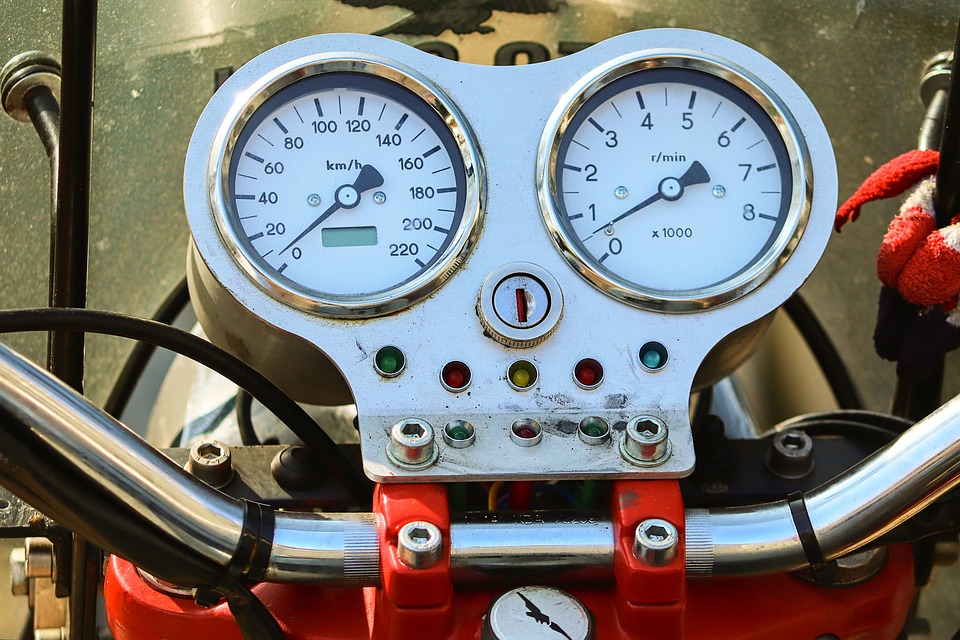
First of all, you’ll want to make sure that all the parts are there. Missing and broken parts must be replaced. Pay close attention to the gauges, carbs, brakes, side covers, and sprockets. Check whether the engine turns and whether you can shift through the gears. If you're checking engine compression, follow the procedure and specifications in the bike's service manual. A bike in good condition will be easier to revive and start.
Check the Bike’s Service Manual
Image: /product_images/uploaded_images/retro-motorbike.jpg
Alt Text: Parked retro motorcycle by the water
File Name: parked-retro-motorcycle.jpg
Once you've inspected your bike, look at the owner's manual and service manual for the specific year and model. This is especially important if you're not familiar with that motorcycle. Checking the service manual will get you through some basic maintenance as well as everything from checking your battery, changing oil, and rebuilding your engine.
If you don’t have a manual for that old bike, you can always buy one online. Here, we’re not doing a complete rebuild, but trying to start an old bike without any major work like changing engines. Learning how to start an old motorcycle may take some work, but the owner's and service manuals give you the model-specific procedures and specifications you need.
Check the Battery

Is the battery working? First, identify the battery type and inspect the case, terminals, cables, and connections for damage or corrosion. For a conventional flooded battery, check the electrolyte level and add distilled water only if the battery manufacturer calls for it. Once activated, a sealed AGM battery should not be opened or topped off with water.
Charge the battery with a charger suited to its type and follow the battery and charger manufacturers' instructions. If the battery is damaged or won't hold an adequate charge, replace it with the correct battery for the bike.
Inspect the Fuel Delivery System

Inspect the fuel delivery system and drain any old gas in the fuel tank. Make sure you’re working where there are no open flames and dispose of the fuel safely. Look out for any signs of rust and dirt in the fuel tank. If the tank contains loose or flaking rust, heavy contamination, damaged fittings, or leaks, follow the motorcycle's service manual or an appropriate tank-repair procedure before running fuel through the system.
Avoid using a pressure washer or a one-size-fits-all cleaning method inside the tank. Fuel tanks vary in construction and condition, so use a cleaning or repair method appropriate for that specific tank.
Next, take these steps:
- Check for any leaks on the fuel line and replace if necessary. When replacing a line, make sure the hose and clamps are the correct type and are secured according to the service manual.
- Inspect the fuel filter for damage, contamination, or restricted flow. Replace a dirty or restricted filter when required by the manufacturer's procedure rather than assuming every filter can be flushed and reused.
- Check the fuel valve or petcock to also verify if fuel is flowing through. Follow the service manual when removing or servicing the valve so you don't damage its seals, gaskets, or mounting surfaces.
Clean the Motorcycle Carbs

Most motorcycle carbs are pretty simple to clean with a bit of practice. Just like every step in this guide, follow the service manual for removal, disassembly, cleaning, adjustment, and reinstallation. Keep the jets, float, needle, seals, screws, and other small parts organized as you work.
Use a carburetor-cleaning method approved for the parts you're working on. Don't push wire or drills through calibrated carburetor passages. Harley-Davidson specifically warns against doing this on Keihin carburetors because it can change the size of the passage holes.
Reassemble and reinstall the carburetor according to the service manual, making sure the float, needle, seals, cables, and intake connections are positioned correctly.
Check the Spark Plug and Ignition System

Remove and inspect the spark plug for wear, fouling, heavy deposits, a cracked insulator, or damaged electrodes. If the plug needs to be replaced, use the correct type for the bike and set the gap to the manufacturer's specification.
If you need to check for an ignition problem, follow the service manual's test procedure rather than improvising a spark test. Keep gasoline and fuel vapors away from ignition-system testing. If the bike has no spark, work through the ignition-system troubleshooting procedure for that model before replacing parts.
If a compression test is needed, use an appropriate compression gauge and follow the service manual's procedure and specifications. A finger over the spark-plug opening won't give you a measurable compression reading.
Start the Bike and Inspect It Before Riding

Once you've confirmed that the battery, fuel delivery, ignition, and other required systems are ready, follow the manufacturer's starting procedure for your specific motorcycle. Don't assume the bike is road-ready just because the engine starts.
Before riding a motorcycle that has been in long-term storage, check the brakes, throttle, clutch, shifter, steering, tire pressure, lights, horn, fluid levels, and the bike for fuel, oil, or brake-fluid leaks. Follow the service manual for any additional model-specific checks.
Once your old ride is mechanically sound, you can start thinking about aftermarket parts and accessories you can install yourself, including exhaust kits, seats, fairings and windshields, and mufflers.
West End Motorsports offers aftermarket parts and accessories for V-twin cruiser motorcycle riders and other powersports applications. West End Motorsports can also help you sort through product details and fitment before ordering. Qualifying orders over $99 ship free in the continental U.S. Have questions? Call 570-992-1113 for product support and guaranteed fitment assistance.